GERD
USD GERD onwards
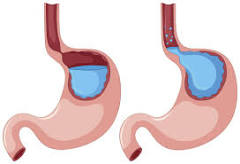
Gastroesophageal reflux disease (GERD) or acid reflux occurs when contents from your stomach move back into your esophagus. It is a digestive disorder for which there are treatments available.
If you have acid reflux more than twice a week, it is a clear sign of GERD. It occurs in people of all ages. If left untreated, it can cause serious problems.
In some cases, you may need surgery. GERD is a common disorder. The most common symptom of GERD is heartburns. It is also known to affect your voice box, lungs, and windpipe.
What causes GERD?
There is a circular band of muscle, the sphincter, in your lower esophagus area. When you swallow food, this band opens to let food pass into the stomach. It also prevents any acidic juices and the food from moving back into the esophagus.
In the case of GERD, this band doesn’t close properly. It leads to a backflow of the food and juices into the esophagus, causing acid reflux. This constant backflow of acid irritates your esophagus lining, and it gets inflamed.
Risk factors of GERD
Some factors can increase your risk. These include
Pregnancy
Obesity
Inconsistent bowel habits
Connective tissue disorders such as scleroderma
Hiatal hernia - This is a condition that makes the top of your stomach bulge into the diaphragm
Then, there are some other factors can aggravate GERD such as
Smoking
Eating fatty and fried foods.
Eating large meals
Taking medications such as aspirin
Lying down soon after a meal
Excessive use of alcohol, tea, coffee
Symptoms of GERD
The main symptom is heartburn. It is a burning sensation that you will feel below the breastbone. It usually gets worse in the night and when you lie down or bend over.
Other signs of GERD are:
Chest pain
Difficulty in swallowing food
A sensation of a lump in your throat
Chronic cough
Bitter taste in your mouth
Laryngitis
Disrupted sleep
Asthma and breathing problems
Sudden excess of saliva
Chronic sore throat
Inflammation of the gums
Complications due to GERD
In most people, GERD does not cause any other issues. But, in some severe cases, it can lead to some serious problems. These are
Asthma, chronic cough, or any other breathing problems - This occurs when you breathe in too much acid into your stomach.
Inflammation, narrowing, tightening of your esophagus.
Dental problems like gum disease, enamel erosion
Esophageal cancer
Ulcers
Diagnosis of GERD
There are a few tests that will determine if you have GERD or not. These include:
Esophageal manometry - It measures the strength of your esophageal muscles.
X-ray of the upper digestive system
Upper endoscopy - The endoscope, which your doctor will insert through your throat, will have a camera that will allow the doctor to detect any inflammation in your esophagus.
Ambulatory acid (pH) probe test will track if and when the stomach acid enters your esophagus.
Ayurveda and GERD
Amlapitta, which is a disease mentioned in old Ayurveda texts, is similar to GERD. Ayurveda is one of the oldest medical systems in the world. The state of Kerala in India has many hospitals which still practice Ayurveda in the old and pure form.
Vata, Pitta, and Kapha are three main doshas or energy forces present in all of us.
Vata controls all the circulation and air movement in your body. Pitta manages the digestion and metabolism while Kapha provides lubrication and structure to our body.
We need all these three doshas to be in balance. If they are not, then we will have diseases.
GERD is a digestive disorder. It is mainly due to the intake of the wrong combination of foods, sour foods, and old food items. All of these cause issues with your digestion, and so worsen Pitta dosha. It causes Amlata (word for acidity in Sanskrit) of the Pitta. With time, Vata and Kapha also start to go bad, causing the condition to worsen.
Ayurvedic treatment for GERD
Ayurveda treatments can cure GERD. The treatment aims at
Correcting the pitta imbalance
Remove the toxins from your body using suitable panchakarma therapies.
Improve your digestion
Rasayana procedures to eliminate the root cause
The typical Ayurvedic treatment methods used for GERD can be:
Vamana - induced vomiting using oral medicines through which body waste gets removed
Virechana - induced purging through oral medicines to remove the body waste
Vasti - medicated enema to remove the toxins from your body.
After these, you will have oral medicines to correct the Pitta imbalance. It will be as per your dosha type, body condition, and the severity of GERD.
Your doctor will decide the treatment plan as per all these.
You will need to be in the hospital for 21-28 days for the treatment
Other treatments for GERD
Other treatment options include medications and, in some cases, even surgery. The medicines include antacids and others to reduce acid production in your stomach.
Fundoplication- It is a surgical procedure to treat GERD. During this, the surgeon will attach part of your stomach to the sphincter in your lower esophagus area.
Transoral incisionless fundoplication or TIF is a new non-invasive procedure to treat GERD.
How to prevent GERD?
There are a few things you can do to prevent GERD. These include:
Reduce weight if you are overweight
Stop smoking
Eat small and frequent meals
Do not lie down or sleep soon after a meal
Try to wear clothes that are loose and comfortable around the belly area. Tight clothes tend to squeeze your stomach and push the acid back.
Raise the head of your bed
Eat slowly and chew food properly
Avoid foods that trigger acid reflux like onion, chocolates, garlic, alcohol, etc.
Practice Yoga and meditation