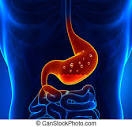
Gastritis
USD Gastritis onwards
Gastritis is a group of conditions that causes inflammation in the lining of the stomach. There are two main forms of gastritis, which are acute and chronic. Acute gastritis occurs all of a sudden, while the chronic type appears slowly over time.
Gastritis can increase your chances of having ulcers. If you do not treat it in time, it can even lead to stomach cancer.
In most cases, it is not serious and can improve with treatment. There are effective treatments in Ayurveda for gastritis.
What are the causes of gastritis?
Your stomach has a protective lining of mucus cells to protect it from its own digestive acids. If there is any injury or weakness in these linings, the digestive juices will damage or inflame the linings. Some of the main reasons for it are
Injury to the stomach
Use of some medicines
Long periods of vomiting
Acid reflux
Exposure to radiation
Some allergic and immune conditions
What are the main risk factors of gastritis?
Some of the main risk factors are
Age
Smoking
Alcohol misuse
Anti-inflammatory drugs
Bacterial infections like H.pylori
Conditions like Crohn's disease
Viral infections
Stress
Excess intake of coffee
Food allergies
What are the symptoms of gastritis?
Not everyone who has gastritis will experience symptoms. It depends on the person. Some of the common signs are:
Nausea
Stomach pain
Vomiting
Indigestion
Hiccups
Poor appetite
Belching or bloating
A feeling of fullness in the abdomen which is made worse by eating
Black, tarry stools
Diagnosis of gastritis
There are a few tests which the doctor will ask you to do. These are
Upper endoscopy - It will help examine the stomach lining. Your doctor will be able to check for inflammation using this test.
Blood tests - You will have to do a few blood tests that will include checking your red blood cell count and screening your blood for the H. pylori infection. You may also have to go for a biopsy test in some cases.
X-ray of your upper digestive system - It will show any abnormalities in your stomach.
Ayurveda and gastritis
Ayurveda is the oldest medical system that is still in practice in the world. It has a long history of more than 3000 years in India. You can find mentions of this in the old Vedic texts.
There are three doshas, which are a combination of elements, present in all of us. These are Vata, Kapha, and Pitta. Each of these doshas has a set of main functions in our body.
Each person has one primary dosha, which defines them. The other two doshas will also be there in all of us. All these three doshas need to be in balance for us to be healthy.
Ayurveda views diseases as a manifestation of dosha imbalances. Gastritis is a Pitta disorder as per this.
Proper digestion is the key to overall health in Ayurveda. Agni, which is the digestive force or energy. It breaks down the food that we eat into digestible parts. As Pitta dosha is responsible for digestion and metabolism, it governs Agni. So, you need a balanced Pitta dosha for proper digestion.
Bad food habits, improper lifestyle, stress can all aggravate the Pitta dosha. It can either make the Agni weaker or stronger. If you are a Pitta dosha dominant type, the Agni will be stronger. It creates more digestive juice than needed. This excess juice or acid damages the stomach lining, causing gastritis.
Ayurvedic treatment for gastritis
Urdhva Amlapitta is the name for gastritis in Ayurveda. The main goals of Ayurvedic treatment for gastritis are
Balance the Pitta dosha
Remove the toxins from your body
Improve nutrition and digestive function
Reduce stress
Build immunity
You will have internal medicines to balance the pitta dosha. These medicines are also capable of healing the intestinal mucosa.
Another step is to correct the digestion, for which the optimization of the digestive fire is necessary. It includes effective detoxification methods to clean up the gut and associated organs and channels. Sleep is also corrected.
The main methods of treatment are
Virechana - In this, you will take oral medicines to remove the body waste through induced purging
Vasti - a standard procedure in Ayurveda using a medicated enema to remove the toxins from your body.
Nasya – Nasal drops are applied to clean up the upper part of the body.
Vamana- It is a cleansing method to remove toxins through induced vomiting. Inducing vomiting is carried out only if the doctor thinks that it is very necessary.
Treatments like Shirodhara helps to calm down the nerves.
In most cases, you will need to be in the hospital for 21-28 days for the treatment. Your diet may need changes and will be as per the advice of the doctor.
You will need to continue with these changes in diet and medicines even after the treatment for the best results.
Other treatments for gastritis
Some of the common treatments are
Acid reducing medications that will reduce the levels of acid in your stomach.
Antacids to reduce the pain
Probiotics to heal the ulcers
Prevention of gastritis
There are some steps that you can take that can reduce the risk of gastritis. These are
Quit smoking
Avoid excessive alcohol consumption
Avoid spicy, acidic, and fried foods can irritate your stomach
Practice hand washing regularly
Eat well-cooked food
There are specific foods that can relieve gastritis pain. These are:
Teas
Yogurt
Peppermint
Wheat Bran
Carrot juice
Apples
Garlic
Celery
Kale
Broccoli