Room Options

Shared Accomodation
Wi-Fi/ Internet, Double Bed, Single Bed,

Private accommodation
Wi-Fi/ Internet, Double Bed, Single Bed

Private accommodation with AC
A/C, Wi-Fi/ Internet, Double Bed
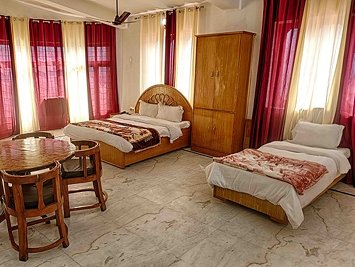
Shared Accomodation with AC
A/C, Wi-Fi/ Internet, Locker,

Online
A/C,
About
What are the key components of Ayurveda Yoga TTC
The basic purpose of this Ayurveda Yoga Teacher Training Course is to enlighten the yoga practitioners about the much-hidden treasure of Ayurveda and its many effects on the human body. We have devised this curriculum with a perfect balance between ancient Ayurveda and Yoga Kriyas. This course is formulated as per the guidelines of Yoga Alliance and after successful completion of this course, each participant is awarded a merit certificate to further spread the knowledge of Yoga and Ayurveda. As key components of this course, we have introduced the basics and philosophy of Ayurveda, various Kriyas, medications, body purification through Ayurveda and how Yoga is related with various kriyas of Ayurveda. With this course, we take our students on a journey of Ayurveda with concepts of Ayurvedic medications for various ailments and maintenance of the human body. We practically expose our students to various kriyas with Yogasanas to bring in the good effects of Ayurveda to the human body.
We introduce the concept of physical wellbeing and also offer guidance on maintaining different parts of the body with Nadi Sodhan, Pranayama, Neti and such other kriyas. For any yoga practitioner, these Ayurvedic kriyas constitute an important part of body purification and is practiced together to offer the finest benefits of yoga to the serious practitioners. Who can attend this 200 Hour Ayurveda Yoga TTC Anyone who is interested in learning about Ayurveda, Yoga and Meditation can join this teacher training program.
However, this course will be an added advantage to the already practicing yoga teachers to upgrade their skills and understanding of Ayurveda. We encourage everyone to undergo this 200 Hours Ayurveda TTC to learn about the ancient Ayurvedic practices of India and its connection with various Yoga asanas. We offer a comprehensive model of training for anyone who is interested in pursuing a career in Yoga and Ayurveda.
200 Hours Ayurveda Yoga Teacher Training In Rishikesh (Course Overview)
Recitation of Sacred Sound (Mantra Chanting) The purpose of mantra chanting in yoga is to generate vibrations and connect with the universe. Each mantra is special and rich with spiritual energy.Om Asato Maa Sadgamaya (Mantra from Upanishad)
Tvameva mata ca pita Tvameva (Sloka on gods)
Om Tryambakam Yajamahe ( Mantra on lord shiva)
Om sahana vavatu ( Mantra from Upanishad)
Guru Brahma Guru Vishnu Gurudevo maheshwara ( Guru stotram)
Yogena Cittasya ( Sloka on sage Patanjali)
Hare rama, Hare Krishna ( Maha mantra)
Yoga Postures (Asana)
Students will gain extensive knowledge on yoga postures and will increase their strength, flexibility and discipline.
Hatha Yoga
Pawanmuktasana series 1
Pawanmuktasana serie 2
Pawanmuktasana series 3
Surya Namaskar ( sun salutation)
Chandra Namaskar (Moon salutation)
Tadasana (palm tree pose)
Triyak tadasana (swaying palm tree pose)
Trikonasana (triangle pose)
Parivirtatrikon asana – revolving triangle pose
Uttkatasana –chair pose
Virbhdrasana 1 -warrior 1
Virbhdrasana 2 -warrior 2
Virbhdrasana 3 -warrior 3
Ardha Chandrasana- Half moon pose
Vriksasana – tree pose
Parvatasana – mountain pose
Adho mukha svanasana – downward facing dog
Kati chakrasana – waist rotating pose
Malasana – squatted yoga pose
Garudasana – eagle pose
Baddha Konasana- bound angle pose
Rajkapoot asana – pegion pose
Bhujanghasana – cobra pose
Urdhva mukha svanasana –upward facing dog
Matsyasana-
Setu Bhandasana
Utrasana
Dhanurasana
Salabhasana
Supta Virasana- reclining hero pose
Virasana –hero pose
Vajrasana –thunderbolt
Gomukhasana
Balasana
Dandasana
Ardha Matsyendrasana
Ayurveda
Ayurveda & Yoga – Sister Sciences
Ayurveda- Ancient way of Natural Healing
Basics of Ayurveda
Concept of 5 Elements (Pancha Mahabhuta)
Tridosha ( vata, pitta. Kapha)
7 Body Eleements (Sapta Dhatu)
Concept of Mala (Waste Products)
Srotas (Body Channels)
Agni (fire) and their functions
Prakruti (Body Constitution)
Vikurti
ama(metabolic toxins)
Curing diseases through ayurveda
Ayurveda Nutrition
Nature of food
6 tastes and its properties
Sattvic Diet
Pranayama (Breathing Practices)
Pranayama is an ancient yogic breathing technique that is used as preparation for meditation and is a vital aspect of practicing yoga. It improves the respiratory system and purifies the body and mind.
Week 1
Week 2 Sitting postures for pranayama sadhana-
Week 3 Mudras
(Yoga Gestures) The practice of Mudra hand gestures is an ancient facet of yoga. Performing gestures effects the energy flow of the body and can change a person's spiritual and mental characteristics.
Jnana mudra
Chin mudra
Yoni mudra
Bhairava mudra
Shambhavi mudra
Nasikagra
Khechari
Yoga Bandhas (Energy Lock) The practice of Bandhas expands the lung capacity and breathing capabilities during yoga. It also strengthens the entire body from the inside out. Preparation
Uddiyana
Jalandhar
Mula & Maha Bandha Teaching
Week 4
Meditation (Dhyana) Meditation is a systematic practice that promotes physical, mental and emotional tranquility with the purpose of reaching Samadhi (self-realization). Introduction to Meditation
Breathing Awareness Meditation
Om / Mantra Meditation
Trataka
Dynamic meditation
Tips for developing concertation
Silence Practice
Ajapa japa
Antar mouna
Yoga Nidra (Psychic Sleep) When a yoga practitioner moves through the various internal states of Yoga Nidra, a profound experience of relaxation occurs. This is called "Turiya," a sensation of pure bliss.
Basic Relaxation
Tension Relaxation
Full Body Relaxation
Yoga Cleansing (Shatkarma) Yogic cleansing exercises are important to learn how to incorporate your breath and meditate properly during physical aspects of yoga.
It also removes the blockages in the energy channels. Rubber-neti
Jalaneti
Kapalbhati-
cleansing the lungs Anatomy and Physiology (Sharir Vijnan) Proper understanding of the physical body will help to prevent injury before, during and after practice. There are two kinds of yoga anatomy: physical and spiritual. Understanding both types are needed. Yoga Philosophy (Yoga Darshana) Yoga Philosophy is the foundation of our yoga practice and is the key to earn yogic strength. Through the path of Vedanta Philosophy, you will establish a solid, well-rounded yoga practice.
History of Indian philosophy
Origin of yoga philosophy
Different classical texts of yoga philosophy
Yoga sutras of Patanjali
4 Aspects of mind
Eight limbs of Yoga
Panchakosha
Triguna
Five Elements
Karmendriyas and Gyannendriyas (10 senses)
Stages of Life
Purposeful life through Yoga
How to reach Samadhi
Introduction to Bhagawat Geeta
Teaching Practice (Adhyapanam)
Students will take turns practicing their teaching skills by performing in front of their peers and teachers.
Demonstration
Alignment
Instructions
Teaching Methodology
A yoga teacher should efficiently perform the practical applications of class planning and preparation.
At World Peace Yoga School, our students will learn how to create a positive and peaceful class environment for an enjoyable and transformative experience.
Positive & conscious communication.
Friendship and trust.
Time management
Qualities of a teacher
Principles of demonstrating, observation, assisting, correcting.
Use of voice in class
Mental & emotional preparation for teaching.
Class preparation
Step by step class structure planning.
Assessments are based on:
Written Test
Oral Test
Attendance
Performance
Behavior
We introduce the concept of physical wellbeing and also offer guidance on maintaining different parts of the body with Nadi Sodhan, Pranayama, Neti and such other kriyas. For any yoga practitioner, these Ayurvedic kriyas constitute an important part of body purification and is practiced together to offer the finest benefits of yoga to the serious practitioners. Who can attend this 200 Hour Ayurveda Yoga TTC Anyone who is interested in learning about Ayurveda, Yoga and Meditation can join this teacher training program.
However, this course will be an added advantage to the already practicing yoga teachers to upgrade their skills and understanding of Ayurveda. We encourage everyone to undergo this 200 Hours Ayurveda TTC to learn about the ancient Ayurvedic practices of India and its connection with various Yoga asanas. We offer a comprehensive model of training for anyone who is interested in pursuing a career in Yoga and Ayurveda.
200 Hours Ayurveda Yoga Teacher Training In Rishikesh (Course Overview)
Recitation of Sacred Sound (Mantra Chanting) The purpose of mantra chanting in yoga is to generate vibrations and connect with the universe. Each mantra is special and rich with spiritual energy.
Pranayama is an ancient yogic breathing technique that is used as preparation for meditation and is a vital aspect of practicing yoga. It improves the respiratory system and purifies the body and mind.
Week 1
Week 2
Week 3 Mudras
(Yoga Gestures) The practice of Mudra hand gestures is an ancient facet of yoga. Performing gestures effects the energy flow of the body and can change a person's spiritual and mental characteristics.
Yoga Bandhas (Energy Lock) The practice of Bandhas expands the lung capacity and breathing capabilities during yoga. It also strengthens the entire body from the inside out.
Week 4
Meditation (Dhyana) Meditation is a systematic practice that promotes physical, mental and emotional tranquility with the purpose of reaching Samadhi (self-realization).
Yoga Nidra (Psychic Sleep) When a yoga practitioner moves through the various internal states of Yoga Nidra, a profound experience of relaxation occurs. This is called "Turiya," a sensation of pure bliss.
Yoga Cleansing (Shatkarma) Yogic cleansing exercises are important to learn how to incorporate your breath and meditate properly during physical aspects of yoga.
It also removes the blockages in the energy channels.
cleansing the lungs Anatomy and Physiology (Sharir Vijnan) Proper understanding of the physical body will help to prevent injury before, during and after practice. There are two kinds of yoga anatomy: physical and spiritual. Understanding both types are needed. Yoga Philosophy (Yoga Darshana) Yoga Philosophy is the foundation of our yoga practice and is the key to earn yogic strength. Through the path of Vedanta Philosophy, you will establish a solid, well-rounded yoga practice.
At World Peace Yoga School, our students will learn how to create a positive and peaceful class environment for an enjoyable and transformative experience.
About the Center
The center invites students to explore the divine intricacies of yoga in its many forms through various life-changing programs which covers all limbs of yoga and its related subjects. The courses at World Peace Yoga is not limited to only yoga postures (asana) but also Ayurveda, yogic nutrition, alternative healing therapies and much more. All courses are Yoga Alliance USA Certified, Yoga Alliance UK Certified, Yoga Alliance International Certified.
Key Highlights
Inclusion
Exclusion
Local Attractions