
Wildlife in Chattisgarh
Chhattisgarh located in central India is among the states which has the maximum land under forest area, encompassing an area of nearly 1,35,133 sq. kms. 44 per cent of the total area of Chhattisgarh comes under forests, which contributes to the 12 per cent of the of India’s total forests.
The state has immense possibility for wildlife and eco-tourism because of its rich bio-diversity. Chhattisgarh is blessed with some of the most endangered and rare wildlife species are found here. For wildlife enthusiasts and nature lovers Chhattisgarh is a perfect destination.
The newly formed Indian state of Chhattisgarh is famous for its enchantingly beautiful natural landscapes, rich cultural heritage and unique tribal populations. With over 44 per cent of its total area under forests, Chhattisgarh is also amongst the greenest states of India. The Chhattisgarh region is known as a great repository of biological diversity. The unique combination of rich cultural heritage and biological diversity makes Chhattisgarh an ideal eco-tourism destination. Chhattisgarh has some identified regions with a very high possibility for eco-tourism.
The green state has launched an eco-tourism project covering three potential tourist tracks –
RaipurTurtiria-Sirpur,
Bilaspur-Achanakmar and
Jagdalpur-Kanger Valley National Park.
In addition, a number of herbal gardens and natural health resorts have been created with increased local participation. The use of ethnomedicine, which has been practiced by aboriginal tribes since centuries is also being promoted in Chhattisgarh. The major eco-tourism attractions, which are getting prime attention in Chhattisgarh, includes the protection and development of the wildlife areas, camping grounds and trekking facilities.
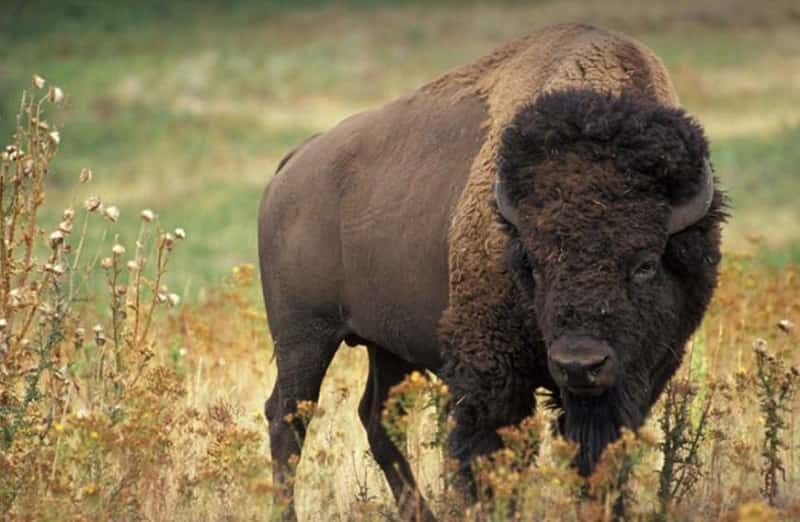
With so many initiatives, Chhattisgarh is destined to become the most favourite eco-tourism destination in India and few among best in the world. Endowed with 22 varieties of forests, the main trees found here are teak, sal, sirsa, mahua, amla and tamarind. The forests of Chhattisgarh are home to wild buffalo, crocodile, civet, gaur, leopard, macaque, otter and many species of birds.
Major steps are being taken by the Government of Chhattisgarh to preserve the unique biodiversity of the region. Also being promoted as the ‘herbal state’ over 500 species of plants is found here such as mahua, kusum, imli and kalmegh. Some of them are used for medicinal purpose. From migraines to malaria, cures for all ailments are possible. Bhuineem (Andropgraphis paniculata) soaked in water cures malaria. For snake bites one can take anantmool (Hemidesmus indicus). The largest market for medicinal herbs and plants is Dhamtari. About 7,000 Joint Forest Managing (JFM) Committees and 913 Primary Committees are involved in the herbal medicine trade. Herbal Medicine Board has also been set up. Chhattisgarh is slowly and steadily emerging as a major centre for herbal medicine.